
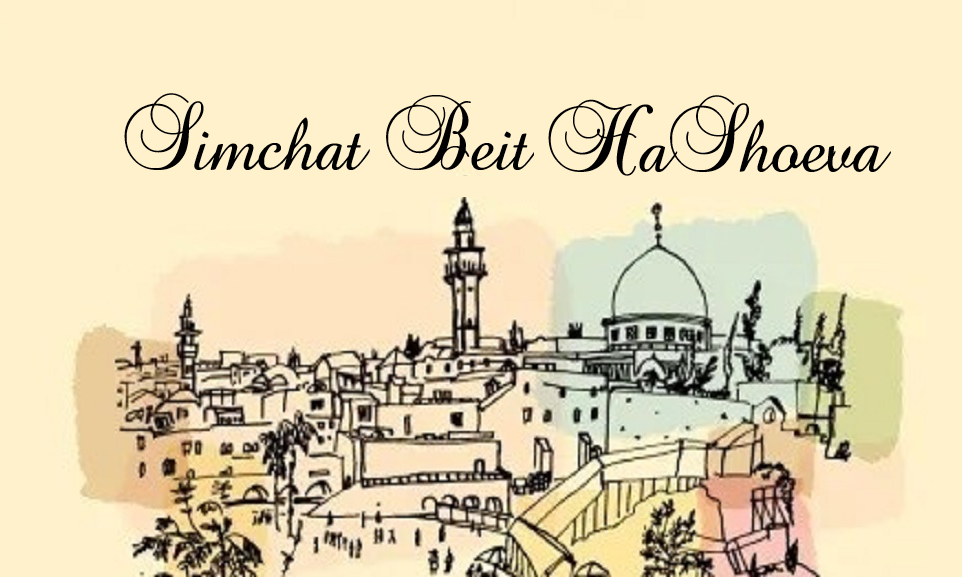
Simchat Beit HaShoeva
It was a mass celebration with Sages juggling lit torches, Levites singing songs, and the water libation ceremony.

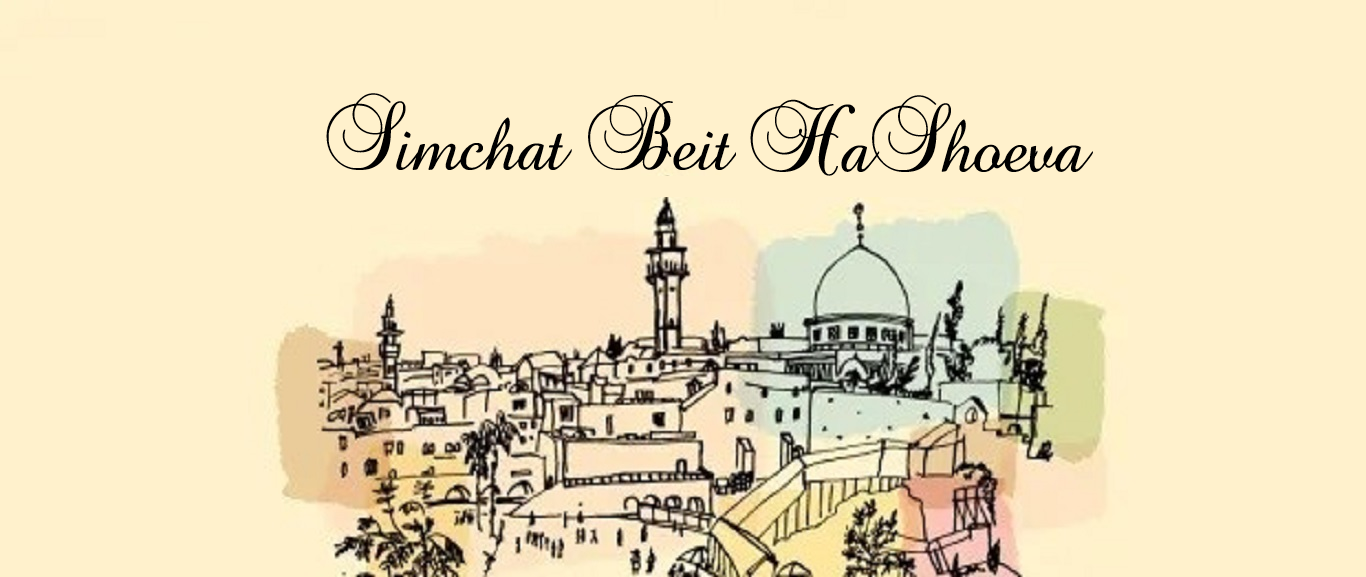
It was a mass celebration, there were Sages juggling lit torches side by side with the song and music of the Levites; an orchestra of musical instruments accompanied the ceremony of drawing the water from the Spring in Shiloach and the procession as they brought the water for a libation on the mizbeach (altar)…
“Whoever did not see the Simchat Beit HaShoevah has never seen joy in his life!”
What was the Simchat Beit HaShoevah?
In tractate Sukkot it states:
“Whoever did not see the Simchat Beit HaShoevah has never seen joy in his life. After the departure of the first Yom Tov of Sukkot, the Kohanim entered the Courtyard of the Temple and made great preparations. Lanterns of gold were affixed, each one had four huge containers of oil, and four ladders leading up to each container from the Temple Courtyard, upon which a youth of the Kohanim would climb up with a pitcher containing 120 log of oil for each container. They fashioned wicks out of the used linen garments of the Kohanim and lit the lanterns. There wasn’t a courtyard in all of Jerusalem that wasn’t brightly illuminated from the radiance of the Beit HaShoevah.
“The pious leaders would dance before the ones who carried the water with torches in their hands. They sang praises and the Levites played violins and harps, trumpets and tambourines and many other instruments. The Levites stood on the fifteen steps that lead from the Courtyard of the Israelite to the Women’s Courtyard on the Temple Mount, which correspond to the fifteen Songs of Ascent in Psalms. Two Kohanim stood with great silver trumpets in the Upper Gate between the Israel’s Courtyard and the Women’s Courtyard and blew the trumpets to the call: Tekiah, Teruah…”
The Talmud adds details to this description: “They told about Rabban Shimon ben Gamliel that when he rejoiced in the Simchat Beit HaShoevah he would take eight fiery torches and juggle them in the air…when he bowed, he stuck two toes into the ground and bent over and kissed the floor and pulled himself upright, a feat no one else was able to do…”
The Talmud continues:
“The Rabbis taught: Whoever did not see the Simchat Beit HaShoevah has never seen joy in his life. Whoever did not see Jerusalem in its glory has never seen a beautiful city in his life. Whoever did not see the Holy Temple has never seen a magnificent building in his life. In what way was it magnificent? Abaye said (and some say it in the name of Rav Chisda): This was the building completed by Herod. How was it built? Rava said: In blue and white marble.”
The entire people participated in the joyous celebration, from the great Torah leaders to the simple folk, the inhabitants of Jerusalem and those who came for the Holiday. The rejoicing lasted all night; it began with the drawing of the water in the evening and was followed by a nightlong procession to the Altar, where the water was offered as a libation in the morning, all the days of Sukkot.
It was a mass celebration; there were Sages juggling lit torches side by side with the song and music of the Levites; an orchestra of musical instruments accompanied the ceremony of drawing the water from the Spring in Shiloach and the procession as they brought the water for a libation on the mizbeach (altar).

Tell us what you think!
Thank you for your comment!
It will be published after approval by the Editor.